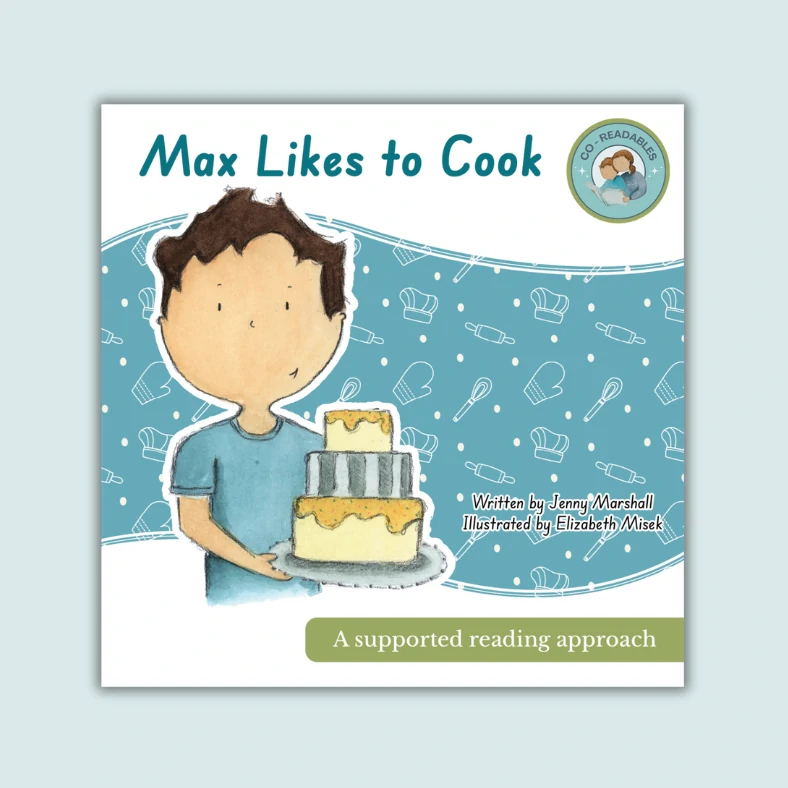
The perfect addition to your home reading routine or classroom library, Co-Readables help bridge the gap between classroom and home literacy learning.
Carefully designed to be read to, with or by beginning and low-progress readers and EAL/D (English as an Additional Language or Dialect) learners, Co-Readables support children as they begin their reading journey and progress towards independent reading through a blend of explicit instruction, skill practice and modelled fluency using a colour-coded system.
Each book includes learning experiences that develop the six key areas essential for reading success: oral language, phonological awareness, phonics, fluency, comprehension and vocabulary.
Co-readables are perfect for shared reading, giving families opportunities to grow closer through the joy of reading together. With Co-readables, everyday reading experiences can be turned into meaningful moments that spark conversation, ignite curiosity and encourage connection.
Click each item to expand.
Phonics instruction follows a planned progression.
Each book includes a phonics focus along with opportunities to consolidate previously taught letter-sound correspondences and high frequency word knowledge.
Each book includes activities to be included before and after reading such as letter-sound correspondence and blending practise along with learning experiences designed to build vocabulary, sequencing and comprehension skills.
Each lesson builds on prior learning.
This is achieved through revision, review, and practise of previously taught letter–sound correspondences and word-reading skills, providing opportunities to refresh, reinforce or reteach.
Decodable text matches the phonics focus of the book.
Consistent and predictable layout and structure across all books in the series.
The Early Learning Press Co-Readable series comprises four sequential readers, each explicitly aligned to a cumulative phonics progression. At each level, new letter-sound correspondences and high frequency word lists are introduced and reinforced through targeted learning experiences.
Students engage with decodable text alongside opportunities for supported modelled reading, enabling them to practise fluent and accurate decoding. The more complex text, read by the independent reader, allows for a more complex storyline and richer vocabulary to be included compared to a traditional early decodable reader providing greater opportunities for vocabulary and comprehension skill development.
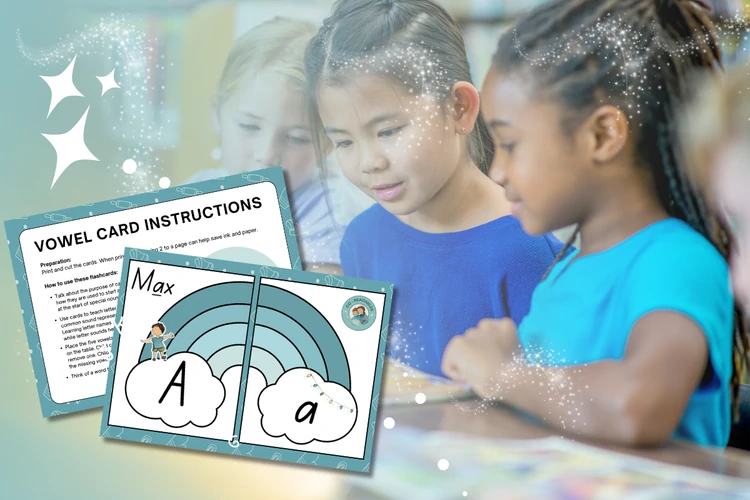
Subscribe today and a FREE Vowel Card resource to help your budding reader.